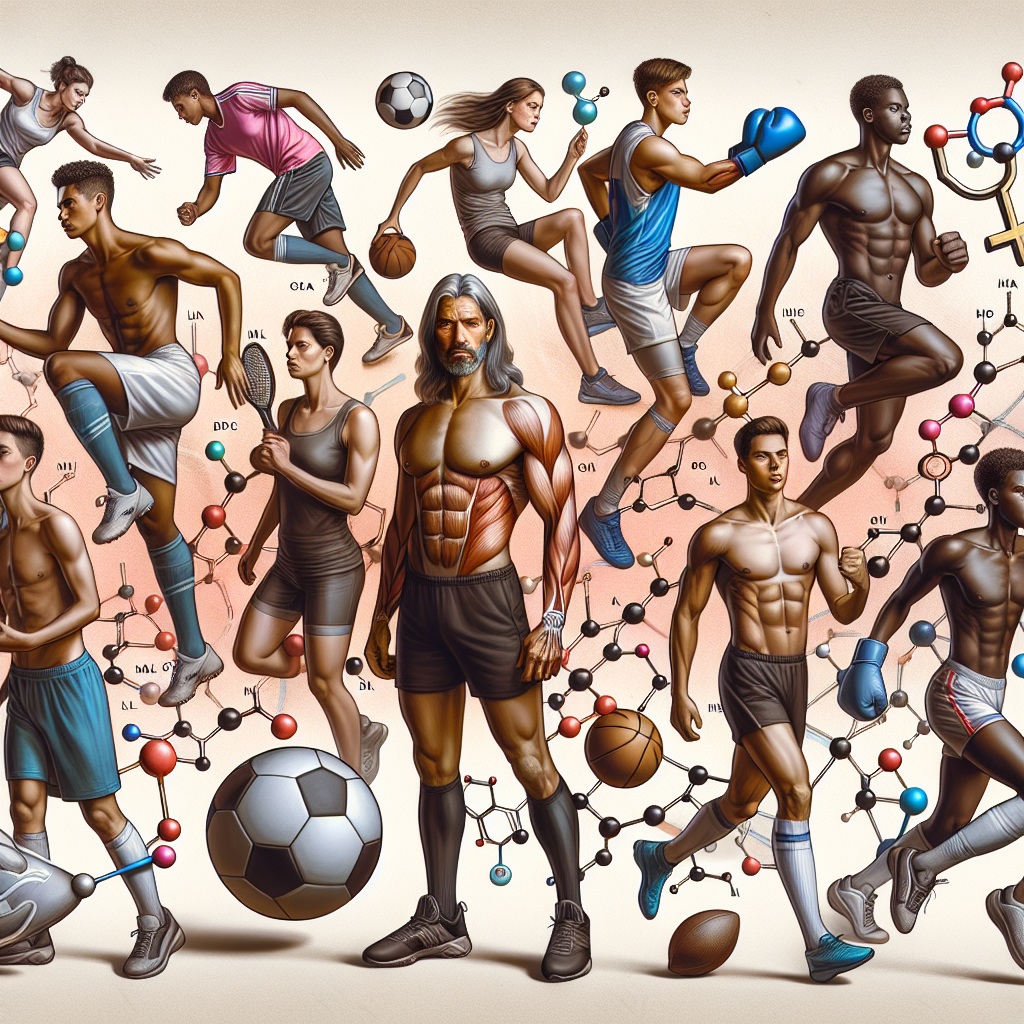
Anabolic steroids have garnered significant attention in the world of sports and fitness due to their ability to enhance muscle growth and improve performance. One of the primary mechanisms through which these substances exert their effects is by influencing protein synthesis, a vital process for muscle repair and growth.
On the platform roidfitgear.com you will find the most popular steroids for athletes of all performance levels.
Understanding Protein Synthesis
Protein synthesis is the process by which cells create proteins, the building blocks of muscle tissue. This process occurs in two main steps: transcription and translation. During transcription, DNA is used to make messenger RNA (mRNA), which then carries the genetic code to ribosomes where translation occurs, resulting in the creation of proteins.
The Role of Anabolic Steroids
Anabolic steroids mimic testosterone, a key hormone associated with muscle growth. Their effects on protein synthesis can be summarized as follows:
- Increased Amino Acid Availability: Anabolic steroids enhance the availability of amino acids in the bloodstream, which are crucial for building new proteins.
- Enhanced Nitrogen Retention: These steroids improve nitrogen balance in the body, creating a more anabolic (muscle-building) environment.
- Stimulation of Muscle Satellite Cells: Anabolic steroids activate satellite cells, which help in muscle repair and growth by fusing with existing muscle fibers.
Conclusion
The influence of anabolic steroids on protein synthesis plays a significant role in their effectiveness as performance-enhancing substances. While they can lead to impressive gains in muscle mass and strength, the potential health risks and ethical considerations surrounding their use should not be overlooked.